


Our sale of second-hand clothes is an important aspect of our work in promoting sustainable development and poverty reduction in the country. The funds raised help to sustain our work and ensures that we can continue to provide support and assistance to communities in need.
The second-hand clothing market creates jobs, from sellers in bustling markets to those involved in the sorting and distribution. With 30 shops across the country, we employ over 400 Malawians in retail, wholesale and sorting. Many Malawians start small businesses by selling second-hand clothes in local markets, contributing to local economies and fostering a spirit of entrepreneurship. Between 9,000-12,000 Malawians are earning an income reselling second hand clothes they buy from DAPP shops and outlets.
Our reuse of clothing approach supports sustainable fashion practices. In a global context where fast fashion contributes significantly to environmental degradation,
second-hand clothes provide a greener alternative.
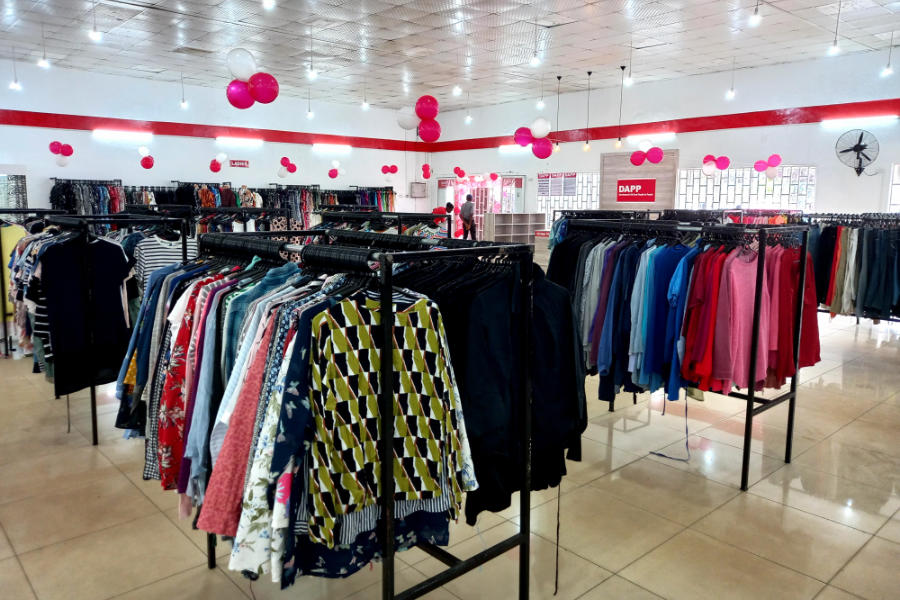
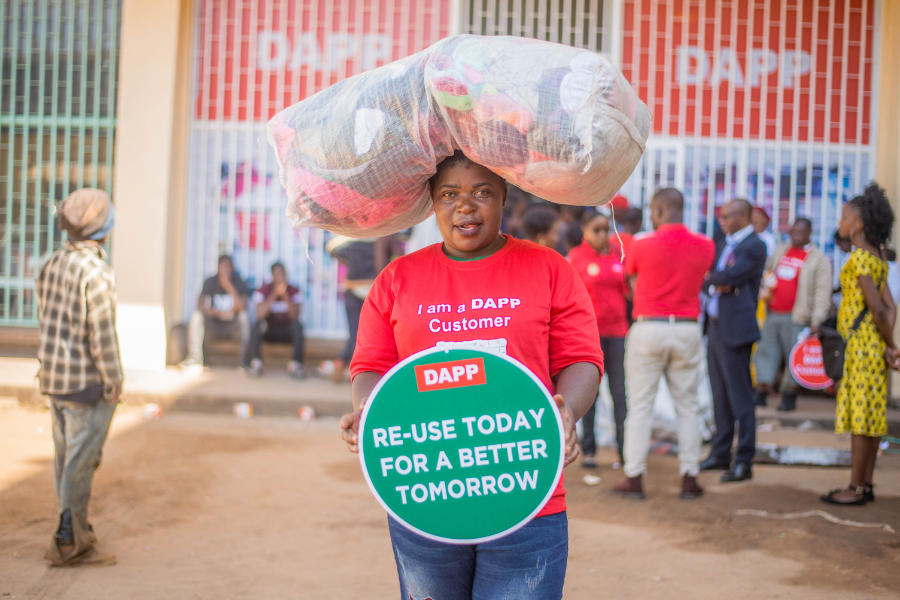
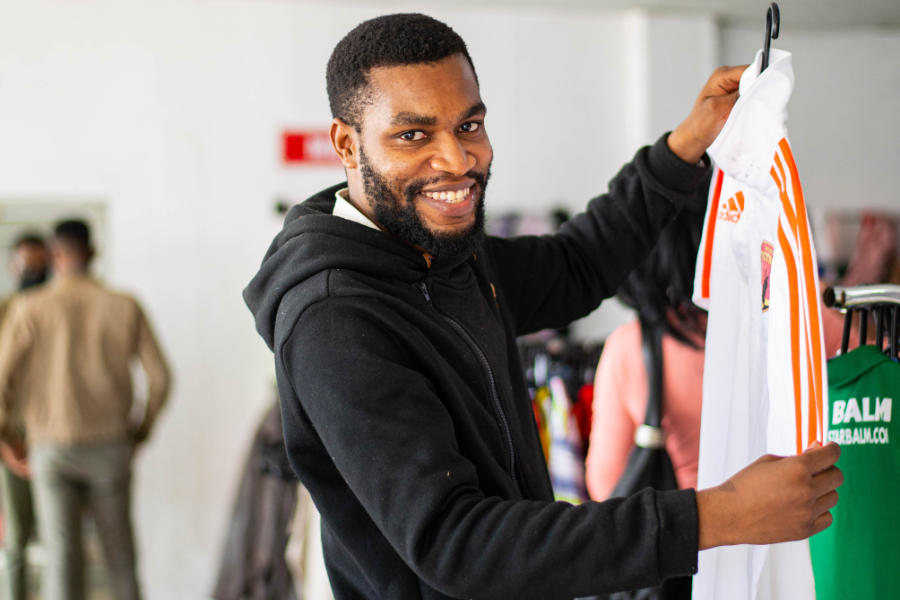
The reuse of clothing supports sustainable fashion practices. Fast fashion contributes significantly to environmental degradation whilst second-hand clothes provide a greener environmental promise. By extending the lifecycle of garments, the second-hand market helps conserve resources that would otherwise be used in the production of new clothes.
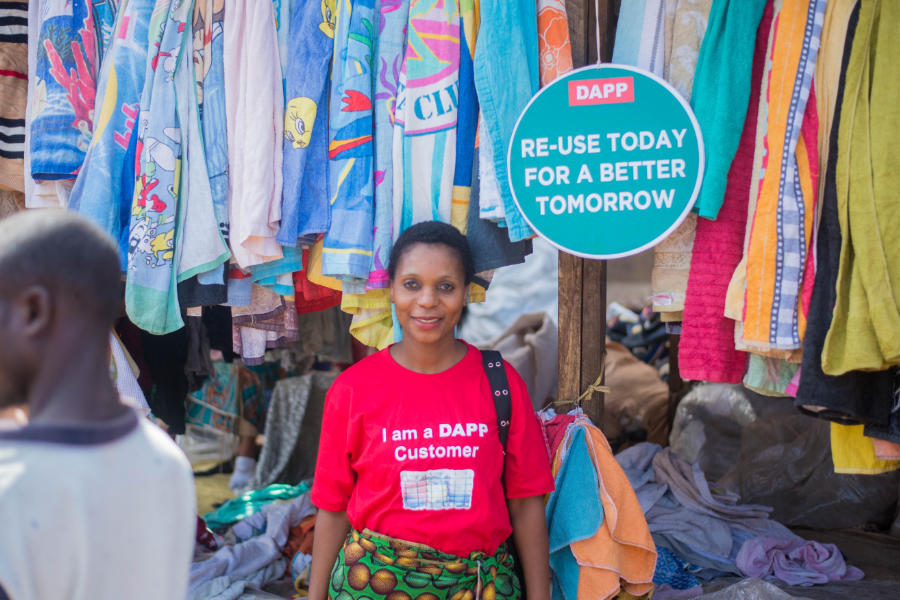 Employment Opportunities | Small Business Growth
The second-hand clothing market creates jobs, from sellers in bustling markets to those involved in the sorting and distribution. With 32 shops across the country, we employ over 400 Malawians in retail, wholesale and sorting. Many Malawians start small businesses by selling second-hand clothes in local markets, contributing to local economies and fostering a spirit of entrepreneurship.
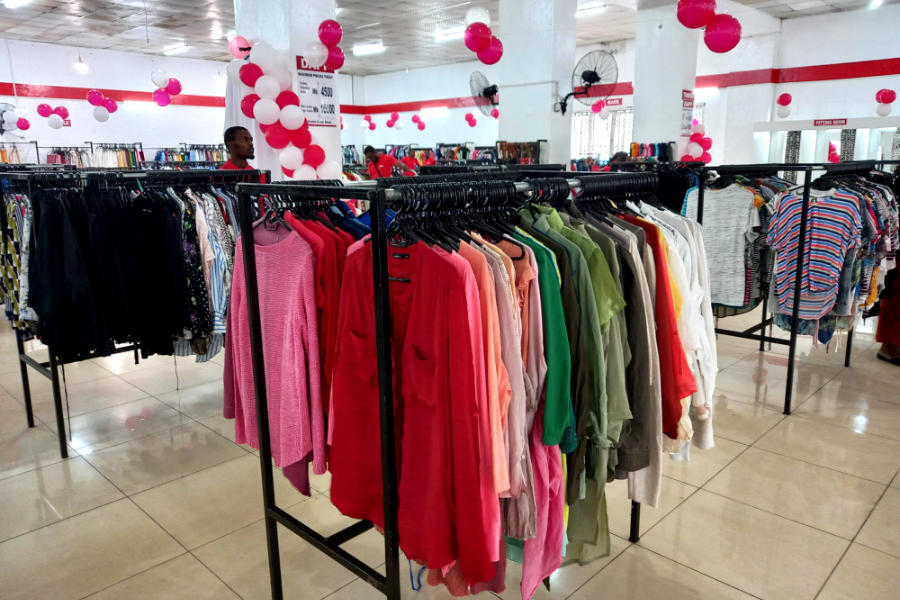
Our second-hand clothes, known locally as “Kaunjika,” offer an affordable alternative to new clothing. The majority of Malawians live on modest incomes, making second-hand clothing a practical choice. We provide budget-friendly options, diverse and fashionable choices, and sustainable alternatives to fast fashion to many Malawians as they are of high-quality and branded items that would otherwise be unaffordable if purchased new.

